
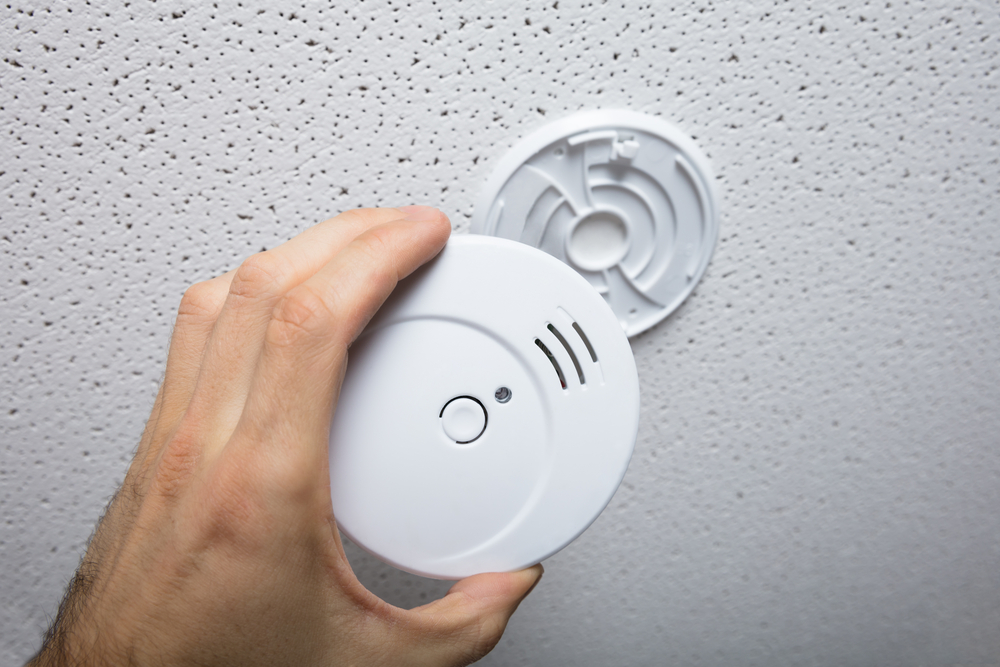
Fire alarm testing in Chattanooga, TN is not simply a routine box to check off. For commercial property owners and managers, it is a critical component of life safety systems and legal compliance. Ensuring the functionality of these alarms is vital to protecting occupants, safeguarding property, and maintaining a facility’s reputation and operational continuity.
Fire alarm systems serve as the first line of defense against fire-related emergencies. In commercial settings, these systems are often complex networks of smoke detectors, heat sensors, alarms, manual pull stations, and communication links that must work in unison. In Chattanooga, as across the state of Tennessee, businesses are expected to maintain these systems in accordance with local fire codes and NFPA standards. Failure to do so can lead to serious liabilities, including fines, operational shutdowns, or worse, preventable loss of life.
Routine fire alarm testing ensures each component functions as intended, alerts occupants in time, and communicates properly with the local fire department if needed. For Chattanooga businesses, fire marshals and licensed inspection professionals carry out commercial fire inspections on a scheduled basis or in response to complaints or renovations. These inspections often include thorough NFPA-compliant alarm inspections, making it essential for businesses to be well-prepared.
What Businesses Can Expect Before the Inspection
Preparation plays a key role in a successful fire alarm testing process. Before the inspection begins, businesses in Chattanooga should expect to coordinate with a licensed fire protection contractor who is authorized to conduct inspections and issue compliance reports. These professionals are familiar with the local fire department’s procedures and the National Fire Protection Association (NFPA) codes, particularly NFPA 72, which governs the testing, inspection, and maintenance of fire alarm systems.
Scheduling the inspection typically requires coordination with the building’s occupants, especially if alarms will sound during business hours. Notices may need to be posted in advance to avoid unnecessary panic or disruption. Inspectors also often request access to system documentation, including prior inspection records, device inventories, fire alarm panel schematics, and maintenance logs.
Businesses should anticipate some preparatory work, such as ensuring access to all components of the fire alarm system, including attic spaces, stairwells, mechanical rooms, and control panels. Any areas that are typically locked or restricted should be unlocked and made safe for inspector access. Equipment like ladders or lifts might also be needed if detectors or alarms are installed in high or hard-to-reach locations.
The Inspection Process: Step by Step
On the day of the commercial fire inspection, the process begins with a walkthrough of the premises, often accompanied by a representative from the business. The inspector first evaluates the control panel, checking for fault signals, power supply integrity, and communication with monitoring services.
Each detection device in the system is then tested for functionality. Smoke detectors are exposed to aerosol sprays to simulate smoke, while heat detectors are tested with heat guns. Manual pull stations are activated to confirm they trigger the alarm, and notification appliances like horns and strobes are observed to ensure they operate correctly and at the required decibel levels.
Importantly, inspectors verify that all devices are correctly zoned and that activation in one area corresponds to accurate information displayed on the alarm panel. If the system is monitored, inspectors confirm that alarm signals are transmitted to the central monitoring station in real time. Time delays, communication failures, or misrouted signals can lead to non-compliance.
Some systems, especially in larger commercial buildings, are integrated with sprinklers, HVAC systems, or emergency lighting. The inspector will check that these integrations function correctly, for example, ensuring that air-handling units shut down to prevent smoke spread during a fire.
During NFPA-compliant alarm inspections, inspectors follow a checklist defined by NFPA 72 standards. Every device and function must be tested at least once per year. Any device that fails must be documented, repaired, and retested. Chattanooga authorities often require a written report of the inspection results to be submitted for official records.
After the Inspection: Documentation and Next Steps
After the inspection, the fire protection professional provides a detailed report outlining the results of the fire alarm testing. Chattanooga, TN businesses should review this document carefully. It typically lists which components were tested, their condition, and whether they passed or failed. If any devices or subsystems did not meet code, the report will specify the necessary corrective actions.
In cases where deficiencies are noted, businesses must act quickly to correct them. Depending on the severity of the issue, a re-inspection may be required. Minor problems, such as a dirty detector or a disconnected wire, can often be resolved the same day. More significant issues, like failed system integration or outdated panels, may require system upgrades or professional repairs.
In Tennessee, documentation is a vital part of commercial fire inspection protocol. Proof of testing, maintenance logs, and repair records may be requested by the local fire marshal, insurance providers, or during occupancy renewals. Having a comprehensive and up-to-date record simplifies future inspections and reduces the likelihood of penalties.
Some businesses opt to enroll in annual maintenance contracts with fire protection companies. These agreements typically include scheduled testing, maintenance, and emergency support, providing peace of mind and reducing administrative burden.
Compliance and Long-Term Considerations
Ongoing compliance with fire safety regulations is not a one-time effort. For businesses in Chattanooga and across Tennessee, keeping systems operational and documentation current is essential for meeting both legal requirements and ethical responsibilities. NFPA-compliant alarm inspections are part of a broader fire protection strategy that includes evacuation planning, employee training, and coordinated emergency response.
Business owners should remember that fire alarm systems are not immune to wear and tear. Environmental conditions like dust, humidity, or temperature extremes can impair detectors. Electrical surges or power failures can damage control panels. Routine testing and inspection help identify these issues before they result in false alarms or, worse, alarm failure during an actual emergency.
The evolving nature of NFPA codes also means that what was compliant five years ago might no longer meet today’s standards. Staying informed about changes in regulation, upgrading older systems, and investing in modern fire alarm technology can improve safety and lower long-term costs.
Insurance carriers also take compliance seriously. Many policies require proof of regular fire alarm testing to remain in effect. In the event of a fire, having verified records of NFPA-compliant inspections can be instrumental in validating insurance claims and avoiding disputes.
Conclusion
Fire alarm testing in Chattanooga, TN is a vital aspect of maintaining a safe and compliant commercial property. From preparation to inspection to post-evaluation actions, businesses must treat the process with the seriousness it deserves. Regular commercial fire inspections in Tennessee are not merely bureaucratic hurdles but essential procedures that protect lives, assets, and livelihoods.
Understanding what to expect during an inspection helps businesses avoid costly surprises and reinforces a culture of safety within the organization. By staying proactive, adhering to NFPA-compliant alarm inspections, and working with licensed professionals, business owners in Chattanooga can ensure their fire alarm systems are ready to perform when needed most.
Need a Fire Protection Company Near You?
Carpet Capital Fire Protection, Inc. is your fire protection specialist in Dalton and the surrounding areas in Northern Georgia. With over 40 years of experience, we always go above and beyond our customers’ requests and expectations in order to ensure all of their fire protection needs. The founder of Carpet Capital Fire Protection Inc. wanted to create a fire protection company in the area that guaranteed a better quality of work, better prices, and a better overall customer relationship. We will help to ensure that your property meets local or state fire codes, insurance fire codes, and municipality-related fire codes. Contact us today to learn more about what we can do for you!