
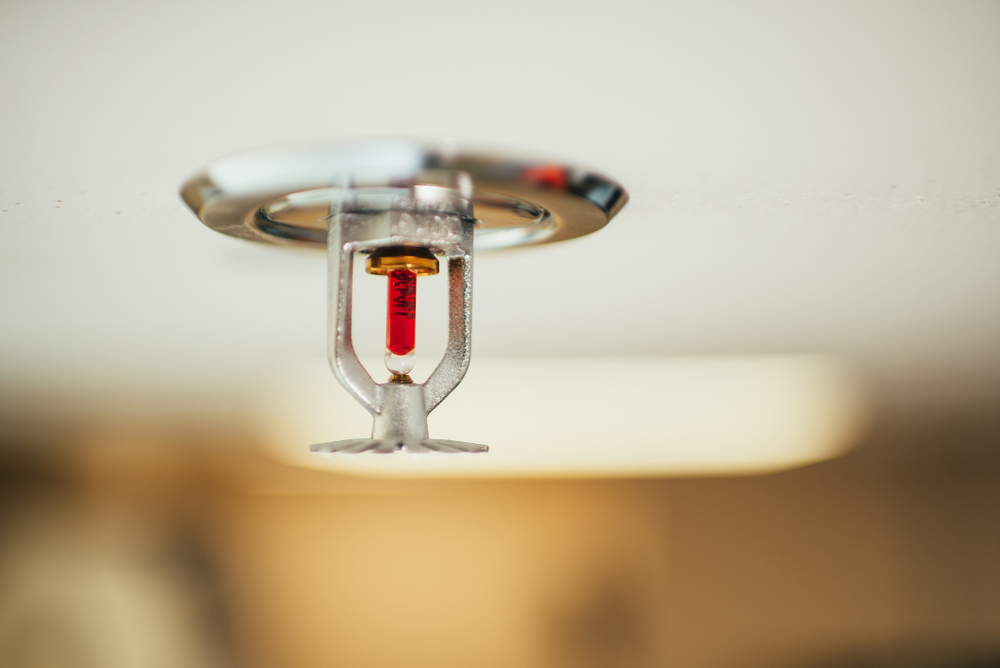
Most people are familiar with the importance of fire alarms, extinguishers, and sprinkler systems. These tools play a vital role in saving lives and minimizing damage during emergencies. However, there is a hidden yet essential component to the overall safety infrastructure: backflow prevention and testing. Especially in areas like Dalton, GA, where reliable infrastructure supports both public and private safety, the need for professional backflow prevention services and regular testing cannot be overstated.
Backflow testing is not just another checkbox on a maintenance form. It is a safeguard that protects drinking water supplies from contamination while ensuring that fire protection systems like sprinklers and kitchen fire suppression systems work as intended. To fully understand why this matters, we must look beyond the sprinkler and explore how these systems are interconnected.
The Hidden Risk of Backflow in Fire Sprinkler Systems
Backflow occurs when water flows in the opposite direction from its intended path. This can happen due to changes in pressure within the system, such as during a water main break, heavy water usage, or malfunctioning equipment. When this reversal happens in a fire protection system, non-potable water from sprinkler lines or fire suppression units can siphon back into the public water supply. This can introduce contaminants like rust, stagnant water, and even fire retardant chemicals into the water you drink, cook with, and bathe in.
Fire sprinkler systems are typically charged with water that may sit unused for long periods. Without proper backflow prevention, the water in these pipes, which can harbor bacteria and other pollutants, could be drawn back into the community’s clean water system. This is where backflow prevention devices come in, acting as a critical line of defense. These mechanical assemblies only allow water to flow in one direction, blocking any reverse movement that could jeopardize public health.
Regular inspection and maintenance of these devices are essential, particularly in commercial properties or facilities with complex plumbing systems. Fire sprinkler maintenance routines should always include backflow testing to ensure these protective barriers are intact and fully functional.
Legal & Safety Standards Driving the Need for Testing
Backflow testing is not optional. In many states and municipalities, including Dalton, GA, it is required by law. Fire codes, plumbing regulations, and health standards often mandate the installation and annual inspection of backflow prevention devices. Property owners and managers are responsible for ensuring that these systems are tested by certified professionals, and failure to comply can lead to fines, liability issues, and even loss of occupancy permits.
These regulations exist for a good reason. During a fire emergency, the primary concern is extinguishing flames quickly. Large volumes of water may be drawn through sprinkler systems, kitchen fire suppression lines, and hydrants. This sudden demand creates pressure differentials that increase the risk of backflow. If a backflow preventer fails during such an event, the consequences could impact not just the individual building, but the surrounding neighborhood as well.
Compliance with testing requirements is not just a legal matter, but a reflection of a business or institution’s commitment to community health and safety. Local water authorities in places like Dalton, GA, track backflow compliance closely and often require detailed reports and documentation. By scheduling regular inspections through professional backflow prevention services, building owners stay ahead of regulations while protecting their tenants, employees, and the wider public.
The Role of Backflow Prevention in Kitchen Fire Suppression
Commercial kitchens are a unique environment when it comes to fire safety. Grease fires and high heat cooking surfaces demand fast-acting fire suppression systems that can quickly neutralize flames without endangering people or equipment. These kitchen fire suppression systems often involve a combination of chemical extinguishing agents and pressurized water, all of which are piped through dedicated lines connected to the main water supply.
Because these systems interface directly with potable water lines, they represent another critical point where backflow can occur. Chemical residues, grease, and other byproducts of commercial cooking can contaminate water lines if a backflow event happens. Therefore, backflow prevention devices must be installed and maintained wherever kitchen fire suppression systems draw from municipal water supplies.
Routine backflow testing ensures that any one-way valves or pressure assemblies in these systems remain operational. Technicians can identify worn-out components, pressure imbalances, or improperly installed devices before they become a hazard. Integrating this testing with broader fire sprinkler maintenance routines provides a holistic approach to safety, ensuring that both kitchen and building-wide systems operate without compromising water purity.
Local Focus: Why Dalton, GA Demands Reliable Backflow Testing
Dalton, GA is known for its vibrant commercial sector and growing residential developments. With this expansion comes an increasing demand for safe and reliable utility infrastructure. The city enforces rigorous plumbing and fire code standards to protect its residents and support its businesses. This includes clear guidelines for backflow prevention device installation and maintenance.
Local water utilities often require businesses to submit annual backflow testing reports. These reports must be completed by licensed professionals who understand the specific configurations of fire sprinkler systems, kitchen fire suppression lines, and other interconnected components. In a town like Dalton, where community well-being is a shared value, meeting these standards is both a responsibility and a public service.
Moreover, Dalton’s location in Georgia puts it in a climate where sudden pressure changes in the water system are not uncommon. Cold snaps, heavy rains, and high demand during summer months all contribute to situations where backflow risk increases. By engaging qualified backflow prevention services familiar with the local infrastructure, businesses can reduce their risk while building trust with health and safety inspectors.
Integrating Backflow Testing into Fire Sprinkler Maintenance Plans
One of the best ways to ensure consistent compliance and safety is to incorporate backflow testing into your fire sprinkler maintenance schedule. These systems are not isolated; they are part of a larger safety network that includes water supply lines, suppression controls, and alarm systems. Treating backflow prevention as a separate afterthought can lead to missed inspections, surprise repairs, and even costly violations.
A coordinated approach ensures that all parts of the system are inspected, tested, and maintained at the same time. This reduces downtime, streamlines documentation, and provides peace of mind. Professional service providers can often bundle these inspections together, making it easier to stay on schedule without interrupting daily operations.
For businesses with kitchen fire suppression units, it is especially important to make backflow testing a regular part of the broader fire safety plan. These systems see frequent use and are often located near sensitive areas like food preparation and storage. Ensuring they are both functional and safe from a plumbing perspective helps protect public health as well as property.
Conclusion
Backflow testing might not have the immediate visibility of fire extinguishers or alarms, but its role is equally vital. It safeguards the integrity of local water supplies, protects people from harmful contaminants, and ensures that fire protection systems work without unintended consequences. In a place like Dalton, GA, where strong community values and safety standards go hand in hand, ignoring this part of your maintenance plan is simply not an option.
Whether you manage a commercial kitchen, oversee a retail complex, or maintain a residential development, backflow prevention services should be a cornerstone of your property’s safety strategy. By staying proactive with inspections and integrating backflow testing into your fire sprinkler maintenance routine, you are not only protecting your property but also contributing to the health and well-being of your entire community.
Need a Fire Protection Company Near You?
Carpet Capital Fire Protection, Inc. is your fire protection specialist in Dalton and the surrounding areas in Northern Georgia. With over 40 years of experience, we always go above and beyond our customers’ requests and expectations in order to ensure all of their fire protection needs. The founder of Carpet Capital Fire Protection Inc. wanted to create a fire protection company in the area that guaranteed a better quality of work, better prices, and a better overall customer relationship. We will help to ensure that your property meets local or state fire codes, insurance fire codes, and municipality-related fire codes. Contact us today to learn more about what we can do for you!