
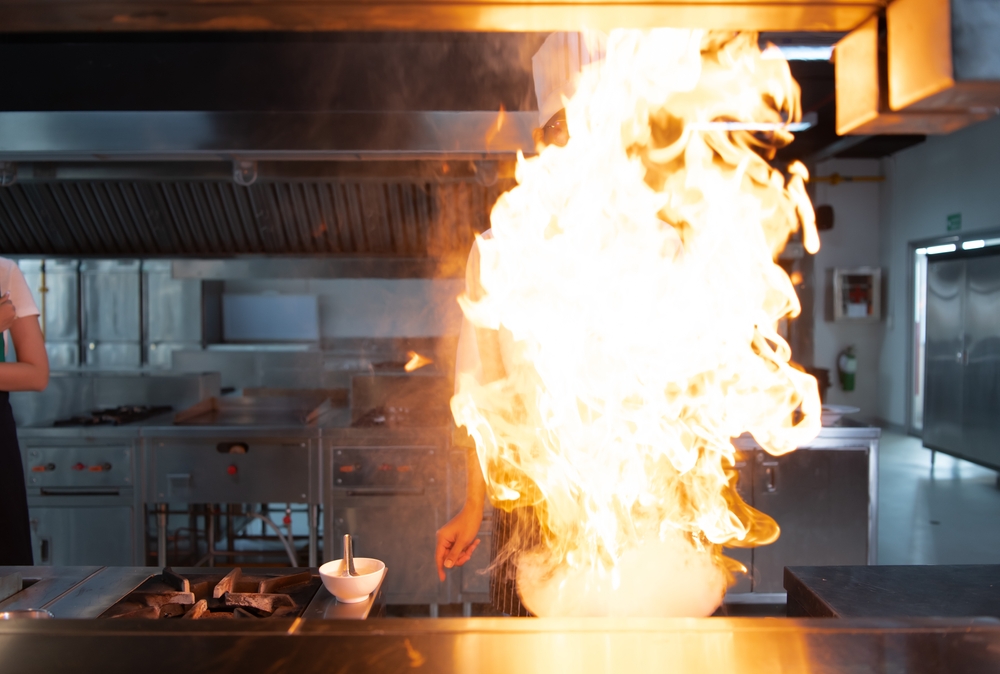
A busy commercial kitchen can move from normal service to a serious fire emergency in seconds. For restaurants, cafeterias, hotels, churches, and other food-service operations in Dalton, a properly maintained kitchen fire suppression system is a critical layer of protection for employees, customers, equipment, and the building itself.
Commercial kitchen fire suppression systems are designed to detect and control fires involving cooking equipment, grease, and high-temperature appliances. In Dalton, these systems also help commercial kitchens meet applicable Georgia fire safety requirements while reducing the chance that a cooking fire becomes a larger property loss or extended business interruption.
What local business owners should know
-
Commercial cooking operations with qualifying hood and duct systems may be required to have an approved automatic fire-extinguishing system under Georgia fire safety requirements.
-
Restaurants and food-service businesses around Downtown Dalton, Walnut Avenue, and the I-75 corridor can face significant operational disruption when fire protection equipment is damaged, outdated, or not properly maintained.
-
Kitchen suppression systems are intended to protect specific cooking hazards, including appliances and areas where grease-laden vapors may be produced.
-
A Class K portable fire extinguisher complements a hood suppression system but does not replace an appropriately designed automatic system where one is required.
-
Changes to appliances, hood layouts, or cooking methods can affect whether the existing suppression coverage still matches the kitchen’s hazards.
Why Commercial Kitchen Fire Suppression Matters in Dalton
Commercial kitchen fire suppression matters in Dalton because busy cooking equipment, combustible grease, exhaust systems, and continuous food-service operations can create conditions in which a small fire spreads rapidly without appropriate protection.
Dalton has a substantial local dining scene, including businesses throughout Downtown Dalton and along major commercial corridors near Interstate 75. The Dalton Visitors Bureau notes that more than 30 restaurants are located within a mile of I-75, in addition to downtown dining establishments.
That mix means kitchen fire safety affects more than traditional restaurants. Hotels, event spaces, institutional kitchens, churches, assisted-living facilities, and other businesses throughout Whitfield County may operate cooking equipment that requires careful fire protection planning.
Carpet Capital Fire Protection Inc. helps area businesses address fire protection needs. After evaluating the specific equipment and hazards involved, we can help business owners understand the appropriate service path without treating every commercial kitchen as if it were identical.
Local Fire Safety Requirements for Commercial Cooking Operations
Georgia fire safety requirements call for qualifying commercial kitchen hood and duct systems to be protected by approved automatic fire-extinguishing equipment and maintained according to applicable adopted standards.
The Georgia Office of Insurance and Safety Fire Commissioner states that commercial cooking protection requirements incorporate standards governing ventilation and fire protection for commercial cooking operations. State rules also address the installation, inspection, recharging, repair, servicing, and testing of fire suppression systems.
Requirements can depend on the cooking appliances, hood system, occupancy, and other conditions at a property. Business owners planning a new restaurant, kitchen remodel, equipment replacement, or cooking-line reconfiguration should have the fire protection implications reviewed rather than assuming an existing system will automatically remain suitable.
Local Data and Fire Protection Observations
Public guidance from Georgia fire safety authorities emphasizes maintaining kitchen hoods, cleaning filters regularly, and keeping suppression systems maintained, reinforcing the role that ongoing upkeep plays in commercial cooking safety.
From a practical service standpoint, the condition of a commercial kitchen can change over time. Appliances may be moved, replaced, or added. Nozzles can become obstructed. Grease can accumulate around cooking and exhaust equipment. Staff may not know where the manual system activation device is located.
For local restaurant operators, routine attention to these details can help prevent a system from being overlooked until an inspection or emergency exposes the problem.
How a Kitchen Fire Can Affect a Dalton Business
A commercial kitchen fire can affect a Dalton business through property damage, equipment loss, smoke contamination, interrupted operations, and the need for inspections or repairs before normal service resumes.
For businesses near Downtown Dalton, the Northwest Georgia Trade and Convention Center area, Walnut Avenue, or the I-75 exits, even a temporary closure can disrupt scheduled meals, events, staffing, inventory, and customer service. Dalton’s position along I-75 between Atlanta and Chattanooga also supports significant hospitality and dining activity.
Effective fire protection therefore serves two purposes: protecting people during an emergency and helping limit the extent of damage that can interrupt operations.
Warning Signs Your Kitchen Fire Suppression System Needs Attention
Commercial kitchen fire suppression equipment needs professional attention when physical damage, equipment changes, inspection concerns, or possible obstruction suggests the system may no longer provide the intended protection.
Watch for these warning signs:
-
Inspection or service documentation is overdue or cannot be located.
-
A nozzle cap is missing, damaged, dirty, or coated with grease.
-
Cooking equipment has been moved or replaced since the suppression system was configured.
-
New fryers, ranges, griddles, charbroilers, or similar appliances have been added.
-
The hood or duct system has undergone renovation.
-
Manual activation components appear damaged or obstructed.
-
System components show corrosion, impact damage, or other deterioration.
-
A prior fire, discharge, or equipment incident has occurred without subsequent professional evaluation.
Do not attempt to reposition, recharge, disable, or modify fire suppression components yourself.
When to Call a Fire Protection Professional
A fire protection professional should be called whenever suppression-system equipment requires inspection, testing, service, repair, recharging, modification, or evaluation following changes to the cooking line.
Kitchen staff can safely perform simple visual observations, such as checking whether equipment appears blocked or damaged and keeping the surrounding area clean. Technical work should be left to appropriately qualified personnel.
This distinction is especially important when a Dalton restaurant replaces cooking appliances or renovates its kitchen. A piece of equipment that looks like a straightforward swap can change the hazard area the suppression system was designed to protect.
Common Causes of Commercial Kitchen Fire Risk
The most common commercial kitchen fire risks involve grease accumulation, high-temperature cooking, appliance changes, inadequate maintenance, and fire protection equipment that no longer matches the cooking operation.
1. Grease buildup: Frying and other grease-producing cooking processes can contribute to residue inside hoods, filters, and exhaust areas.
2. High-temperature equipment: Fryers, ranges, grills, and similar appliances routinely operate at temperatures capable of creating serious fire hazards.
3. Kitchen layout changes: Moving appliances may leave the existing suppression arrangement poorly matched to the new cooking line.
4. Poor housekeeping: Storage or equipment placed around system components can interfere with access or operation.
5. Deferred maintenance: A system that is not professionally serviced as required may have problems that are not obvious during daily kitchen operations.
These concerns apply across food-service properties in Dalton, Whitfield County, and nearby Northwest Georgia communities.
Preventing Commercial Kitchen Fire Problems
Commercial kitchen fire prevention starts with regular cleaning, appropriate system service, employee awareness, and professional review whenever cooking equipment or the kitchen layout changes.
Managers can help by keeping hood filters clean, maintaining clear access to fire protection equipment, checking for obvious physical damage, and ensuring employees understand basic emergency procedures. The Georgia Office of Insurance and Safety Fire Commissioner specifically advises maintaining kitchen hoods, cleaning filters regularly, and maintaining suppression systems.
Before installing a new fryer, range, griddle, or other appliance, have the suppression coverage reviewed. Prevention is much easier when fire protection is considered during the planning stage rather than after equipment has already been placed into service.
What to Expect From Professional Fire Suppression Service
Professional fire suppression service should help determine whether the system’s components, condition, and protection arrangement remain appropriate for the commercial cooking hazards present.
Depending on the situation, service may involve inspection, testing, maintenance, repair, system recharging, or evaluation of changes to protected equipment. Georgia regulates companies and personnel performing certain fire suppression system services, underscoring why specialized work should not be treated as ordinary kitchen maintenance.
The goal is not to promise that a fire can never occur. The goal is to keep required protection ready to respond as designed and to identify problems before they become emergency issues.
Common Commercial Kitchen Fire Protection Mistakes
The biggest commercial kitchen fire protection mistakes involve assuming the existing system will always remain adequate, delaying service, or treating portable extinguishers as substitutes for automatic protection.
Mistake: Moving appliances without reviewing suppression coverage.
Consequence: Protected areas may no longer align with the cooking hazards.
Better approach: Arrange a professional review when equipment locations change.
Mistake: Allowing grease to accumulate around hood equipment.
Consequence: Combustible residue can increase fire risk.
Better approach: Follow an appropriate cleaning schedule for the cooking volume and equipment.
Mistake: Relying solely on a portable extinguisher.
Consequence: The kitchen may lack automatic protection required for applicable hazards.
Better approach: Maintain both required automatic suppression and portable extinguishers as appropriate.
Mistake: Waiting until an inspection identifies a problem.
Consequence: Repairs can become urgent and potentially interfere with business operations.
Better approach: Track maintenance proactively.
A Common Local Commercial Kitchen Scenario
A common Dalton scenario is a restaurant that replaces or rearranges cooking equipment during a renovation but assumes the existing hood suppression system requires no changes.
For example, an operator may add a fryer or move a griddle to increase production. The kitchen may function normally, yet the fire suppression arrangement was originally designed around a different equipment layout.
That situation should trigger a professional evaluation. This is not a case study or a claim about a specific local restaurant. It is an example of why kitchen changes and fire protection planning need to happen together.
Related Fire Protection Solutions
Commercial kitchen safety can involve suppression system service, portable fire extinguishers, system inspections, and other fire protection measures selected for the property’s specific hazards and requirements.
We can help business owners determine which fire protection services are relevant to their commercial cooking operation and whether system attention is warranted after equipment changes or maintenance concerns.
Comparing Routine Maintenance and Emergency Service
Routine fire suppression maintenance is the better approach when a system is intact and operating normally, while immediate professional service is appropriate after damage, discharge, equipment changes, or other conditions that may affect protection.
Proactive service allows Dalton business owners to address issues on a planned schedule. Emergency service typically follows an unexpected event and may coincide with damaged equipment or interrupted operations.
Routine attention does not eliminate every risk, but it can reduce the likelihood that neglected fire protection becomes another complication during an already disruptive incident.
Commercial Kitchen Fire Protection Service Areas
Commercial kitchens in Dalton and surrounding Whitfield County communities can face many of the same fire protection concerns, particularly restaurants and hospitality properties clustered around commercial corridors and I-75.
Businesses in nearby Northwest Georgia communities should likewise evaluate protection based on their specific appliances, hood systems, occupancy, and applicable requirements rather than relying solely on location.
The Cost of Ignoring Kitchen Fire Suppression Problems
Ignoring fire suppression problems can increase the possibility of extensive property damage, longer business interruption, and urgent corrective work when a system deficiency is discovered.
For a food-service business, downtime can affect scheduled shifts, food inventory, customer reservations, deliveries, and revenue-producing operations. Addressing a visible problem early is generally more manageable than discovering it during a fire or after a regulatory inspection identifies a concern.
Frequently Asked Questions About Commercial Kitchen Fire Suppression
Are commercial kitchen fire suppression systems required in Dalton, GA?
Commercial cooking operations in Dalton may be required to have approved automatic fire-extinguishing protection when their hood and duct systems and cooking hazards fall under applicable Georgia fire safety requirements. The exact requirements depend on the equipment and facility, so each commercial kitchen should be evaluated based on its actual configuration.
What does a commercial kitchen fire suppression system protect?
A commercial kitchen fire suppression system is designed to protect designated cooking appliances and associated commercial cooking hazards, with system design coordinated with the hood and ventilation arrangement. The exact coverage depends on the equipment and system configuration, which is why appliance changes should receive professional review.
Does my Dalton restaurant still need Class K fire extinguishers?
Class K portable extinguishers may be required for commercial cooking areas even when an automatic kitchen suppression system is installed. Georgia’s fire safety provisions specifically address Class K extinguishers in connection with commercial cooking operations. Portable extinguishers complement rather than automatically replace required fixed suppression protection.
Should I have my suppression system checked after replacing kitchen equipment?
Yes. Replacing, moving, or adding commercial cooking equipment can affect how well the existing suppression system matches the protected hazards. Dalton restaurant owners planning equipment upgrades should include fire protection review in the project rather than assuming the old configuration remains appropriate for the new cooking line.
Can restaurant employees service a kitchen suppression system themselves?
No. Technical inspection, testing, recharging, repair, servicing, and similar fire suppression work should be handled by appropriately qualified professionals. Georgia regulates companies and personnel that perform fire suppression system services. Kitchen staff can monitor accessible areas for obvious damage or obstruction but should not modify system components.
Why is hood cleaning important for Dalton commercial kitchens?
Hood cleaning helps limit grease accumulation around commercial cooking exhaust equipment, where combustible residue can contribute to fire hazards. Georgia fire safety guidance specifically advises businesses to maintain kitchen hoods and clean filters regularly. The appropriate cleaning needs depend on cooking volume, equipment, and grease production.
What businesses in Whitfield County may need kitchen fire suppression?
Restaurants are common examples, but commercial cooking can also occur in hotels, institutional kitchens, churches, event facilities, cafeterias, and other properties throughout Whitfield County. Whether a particular facility requires specific protection depends on its cooking equipment, exhaust system, occupancy, and applicable fire safety requirements.
What should I do if my kitchen suppression system has discharged?
A discharged suppression system should receive professional attention before the protected cooking operation returns to normal use. The cause of the discharge, affected components, system condition, and necessary recharging or service need to be evaluated. Do not simply reset equipment or resume cooking without appropriate inspection and service.
Protect Your Dalton Commercial Kitchen From Avoidable Fire Risk
Commercial kitchen fire protection works best when it is maintained before an emergency exposes a problem. We can help Dalton-area businesses evaluate fire suppression service needs and keep fire protection concerns from becoming unnecessary operational disruptions.